Animal Welfare
Animal Welfare
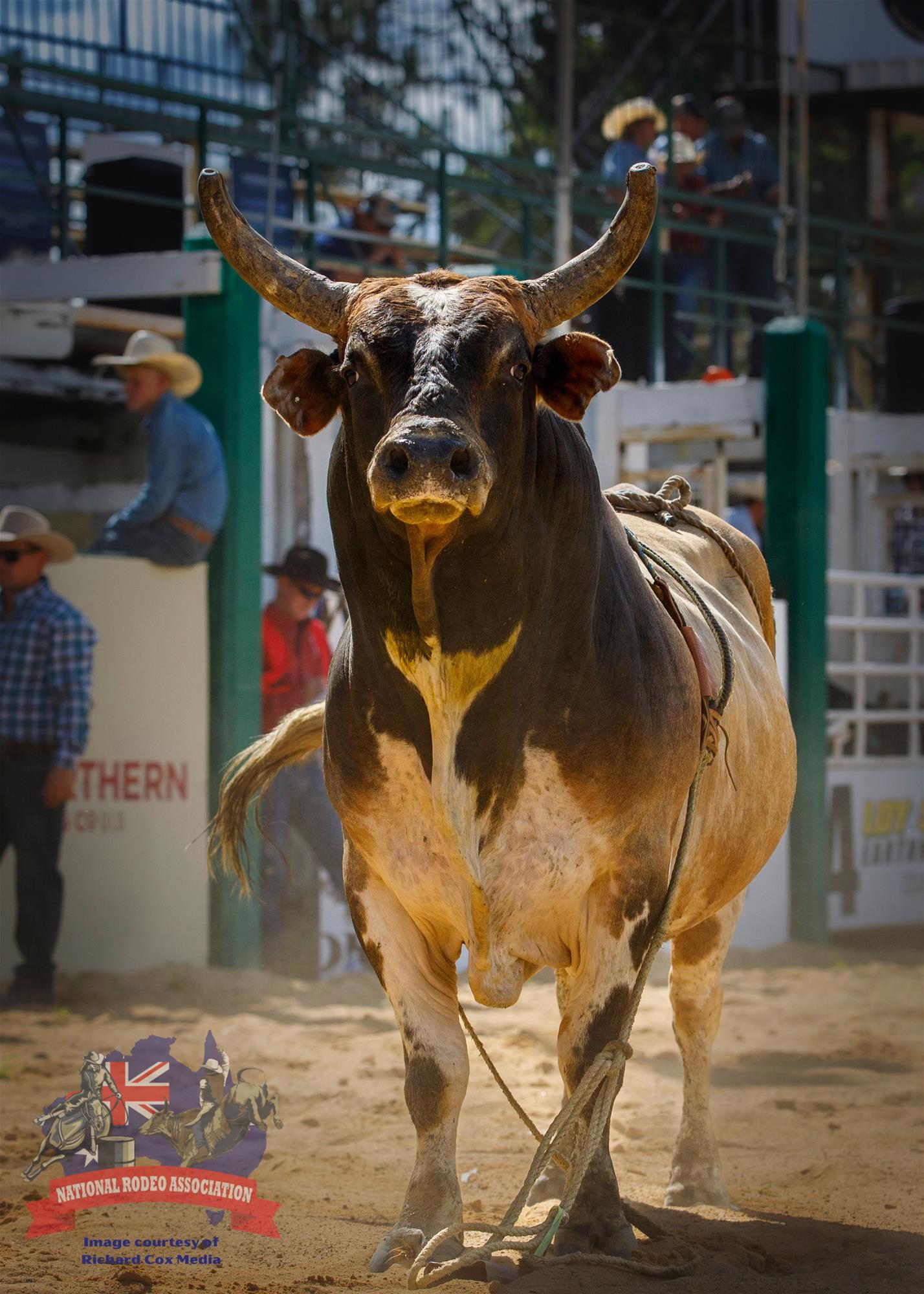
In the sport of professional rodeo, cowboys share the limelight with the rodeo livestock. For a cowboy to compete at the highest level, the livestock also must be in peak condition. Both are athletes in their own right. The very nature of rodeo requires a working relationship, and in some events a partnership, between the cowboys and animal athletes.
The National Rodeo Association takes animal welfare seriously and is committed to complying with the animal welfare legislation relevant to the state or territory in which the rodeo is conducted.
Queensland
It is expected that that the operation of any rodeos in Queensland will be conducted in accordance with the Queensland rodeo code of practice.
From 1 January 2022, the rodeo code of practice will be a mandatory code under the Animal Care and Protection Act 2001 (the Act). It contains the minimum acceptable standards of welfare for all animals being used at rodeos and rodeo schools. It applies to all cattle and horses which are used in the different rodeo activities.
The rodeo code of practice is based on the Queensland animal welfare standards and guidelines – Animals at rodeos (rodeo standards) which were recommended by an established writing group to be progressed as the basis for future regulation of rodeos in Queensland. The rodeo standards were developed after consultation with the rodeo industry, animal welfare and animal rights groups, the veterinary profession and other relevant stakeholders.
The purposes of the rodeo standards are to:
- protect the welfare of animals used in rodeos and rodeo schools
- ensure rodeo officials and other persons are aware of their responsibilities when conducting a rodeo
- provide requirements for equipment used at rodeos and rodeo facilities such as arenas, yards and chutes
- outline the key requirements for competitors and other people handling and caring for animals used in rodeo activities at rodeos and rodeo schools.
New South Wales
It is expected that the operation of any rodeos in New South Wales will be conducted in accordance with the NSW code of practice. Compliance with code will ensure that no offence is committed in relation to sections 18 and 18A of the Prevention of Cruelty to Animals Act 1979.
The Code of Practice for the Welfare of Animals Used in Rodeo Events is as approved on 30 April 1988 by the NSW Animal Welfare Advisory Council and as referred to in clause 36(5) of the Prevention of Cruelty to Animals Regulation 2012.
Victoria
The Prevention of Cruelty to Animals (POCTA) Act and Regulations set out the requirements for the licensing and operation of rodeos in Victoria. The legislation sets out requirements for both the operators of, and participants in, rodeos. The main objective of legislation governing rodeos in Victoria is to ensure the welfare of animals used in rodeos.
See Rodeos in Victoria for more information on the regulation of rodeos and rodeo schools.
South Australia
If you intend to hold a Rodeo in South Australia you must obtain a Rodeo Permit.
An application for a Rodeo Permit must be lodged at least 28 days prior to the proposed event and all people associated with a rodeo must comply with the Animal Welfare Act 1985 and Animal Welfare Regulations 2012.
To comply with the Animal Welfare Regulations 2012 you must:
- ensure sufficient fencing to protect spectators and prevent injury to the animals at the rodeo
- have a designated veterinarian onsite during prescribed rodeo events involving the use of animals.
Western Australia
All animals used in rodeos in Western Australia must be treated humanely and everyone involved in rodeos must comply with the Animal Welfare Act 2002.
The Code of Practice (the CoP) for the Conduct of Rodeos in Western Australia has been prepared to assist all persons handling or using livestock at rodeos in Western Australia. The CoP is supported by the Western Australian rodeo industry and provides the minimum welfare requirements for care and management of animals being used in rodeos. It is expected that any rodeos conducted in Western Australia comply with the CoP.
Tasmania
The Animal Welfare Act 1993 makes it compulsory for Rodeos in Tasmania to be run under a prescribed code of practice. Currently, the prescribed code is the nationally developed 'Standards for the Care and Treatment of Rodeo Livestock'.